
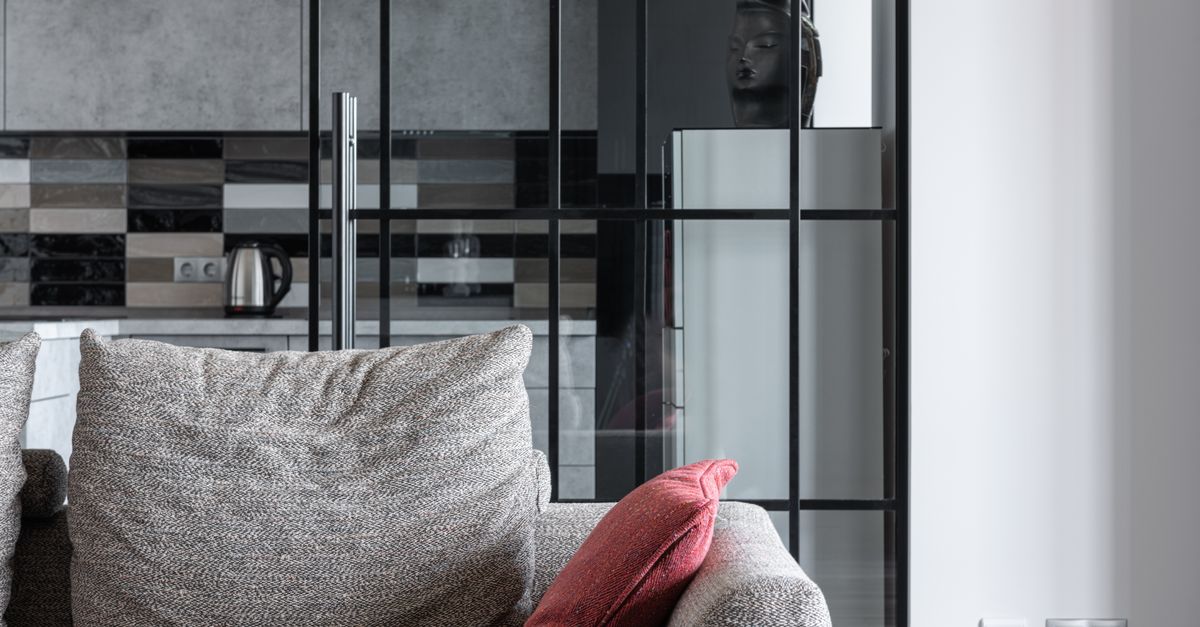
Minimalism dominated the last decade, but a shift is underway. Designers are now celebrating texture, color, and collected objects as signs of personality rather than clutter. This return to maximalism reflects a broader cultural moment: the desire for spaces that feel lived-in and intentional.
The trend isn't about excess for its own sake. Today's maximalism pairs bold wallpapers and vintage finds with thoughtful curation. Rooms feature layered rugs, mixed metals, and artwork hung salon-style—but always with a coherent color story or thematic thread holding them together.
Retailers have noticed the shift. Fabric houses are releasing busier patterns, and vintage and secondhand furniture markets are booming. Consumers increasingly view decorating as storytelling, selecting pieces that reflect their interests rather than following a single aesthetic formula.
What distinguishes contemporary maximalism is restraint in execution. Designers balance visual richness with breathing room, avoiding overwhelming spaces. The goal is abundance that feels curated, not chaotic—rooms that reward closer looking.
This evolution suggests a maturation in how we think about home design. Rather than choosing between sterile simplicity and visual chaos, the best interiors today embrace both discipline and personality, creating spaces that genuinely reflect who lives in them.